
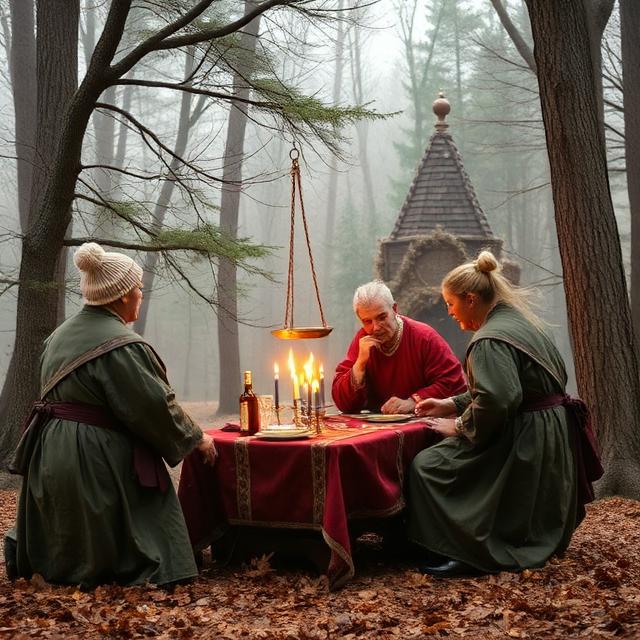
The ancient Slavs developed rich traditions deeply connected to nature, family, spirituality, and seasonal cycles. Although centuries have passed and Christianity became dominant across Slavic lands, many old customs survived by blending into modern celebrations and local culture. Today, traces of ancient Slavic beliefs can still be found in festivals, folk songs, rituals, crafts, and everyday superstitions across countries like Poland, Russia, Ukraine, Belarus, Serbia, and other Slavic nations.
The Celebration of Kupala Night
One of the best-known surviving Slavic traditions is Kupala Night, celebrated around the summer solstice. This ancient pagan festival honored fire, water, fertility, and the power of nature. People believed the shortest night of the year carried magical energy.
Even today, communities celebrate with bonfires, dancing, flower wreaths, and river rituals. Young women often float flower crowns on water to predict love and marriage, while couples jump over fires together as a symbol of purification and good fortune. In some regions, people still search for the legendary “fern flower,” a mythical bloom said to grant wisdom and happiness.
Marzanna and the End of Winter
Another tradition that survived through the centuries is the symbolic farewell to winter. In parts of Poland and neighboring countries, people create a straw figure called Marzanna, representing winter and death. The figure is carried through villages before being burned or thrown into a river.
This custom comes from pre-Christian Slavic beliefs connected to seasonal rebirth and the arrival of spring. Today, schools and local communities continue the tradition as a colorful cultural event welcoming warmer days and new beginnings.
Respect for Ancestors
Ancient Slavs strongly believed that the spirits of ancestors remained close to the living world. Families honored the dead with meals, candles, and special remembrance ceremonies. Some of these customs later blended with Christian holidays.
Modern traditions such as visiting cemeteries, lighting candles for relatives, and preparing memorial meals still reflect these ancient beliefs. In many Slavic cultures, family connections and respect for previous generations remain highly important values.
Folk Music and Traditional Dance
Slavic folk culture preserved many ancient elements through music and dance. Traditional instruments, circle dances, and ritual songs often originated from seasonal celebrations and village ceremonies.
Today, folk festivals across Eastern and Central Europe continue to showcase these traditions. Colorful embroidered clothing, harvest songs, and communal dances help keep ancient customs alive for younger generations. In rural areas especially, weddings and celebrations may still include rituals passed down for hundreds of years.
Nature Beliefs and Superstitions
Ancient Slavs viewed forests, rivers, and animals as sacred parts of the spiritual world. Many myths described spirits living in nature, including household guardians, forest beings, and water spirits.
Although modern society has changed greatly, numerous folk superstitions remain popular today. People may avoid whistling indoors to prevent bad luck, use protective charms, or follow seasonal traditions believed to bring prosperity and health. Herbal medicine and natural remedies also continue to reflect old Slavic connections to the natural world.
Traditional Slavic Food Customs
Food played an important role in ancient rituals and seasonal celebrations. Bread, honey, grains, mushrooms, and fermented foods symbolized life, abundance, and hospitality.
Many dishes connected to ancient customs are still prepared during holidays and family gatherings. Shared meals remain central to Slavic culture, especially during winter festivals, weddings, and harvest celebrations. The tradition of welcoming guests with bread and salt survives in several Slavic countries as a symbol of respect and friendship.
Why These Traditions Still Matter
Ancient Slavic traditions survived because they remained closely tied to community life, nature, and family identity. Even in the modern world, these customs help people feel connected to their history and cultural roots.
Festivals, rituals, and folk practices continue to attract interest from younger generations who want to preserve their heritage. Through music, storytelling, crafts, and seasonal celebrations, the spirit of ancient Slavic culture continues to live on today.
