
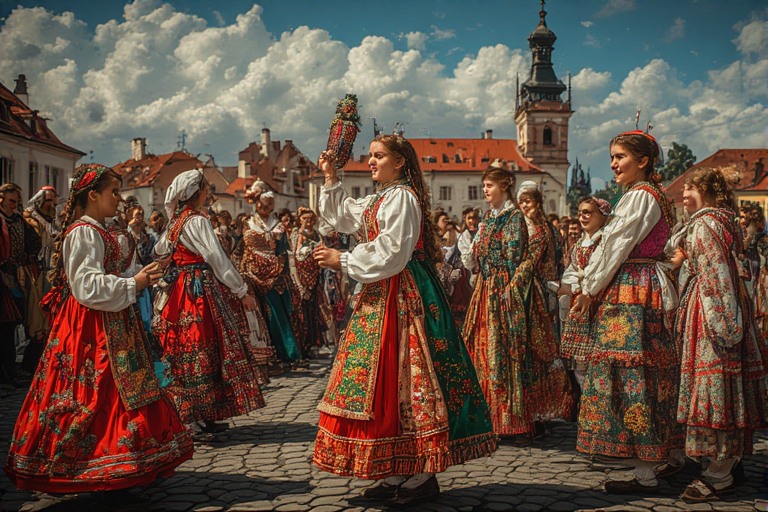
Poland is a country filled with tradition, celebration, and cultural pride. Throughout the year, cities and towns across the nation come alive with colorful festivals, religious holidays, music events, and historical celebrations. From lively Christmas markets to summer folk festivals, these occasions showcase the heart of Polish culture while attracting visitors from around the world. Whether in bustling urban centers or charming small towns, Polish festivals create unforgettable experiences that unite communities and celebrate centuries-old customs.
The Magic of Christmas Markets and Winter Celebrations
Winter in Poland transforms cities into magical destinations filled with lights, decorations, and festive spirit. Christmas markets are among the country’s most beloved seasonal attractions, especially in cities like Kraków, Wrocław, and Warsaw. Historic squares become vibrant gathering places where locals and tourists enjoy traditional foods, handmade crafts, mulled wine, and holiday performances.
Polish Christmas traditions are deeply rooted in family and religion. The celebration of Christmas Eve, known as Wigilia, is one of the most important nights of the year. Families gather for a special dinner featuring traditional dishes such as pierogi, beetroot soup, and carp. Many cities also organize public concerts, nativity displays, and ice-skating events that add to the festive atmosphere.
New Year’s Eve celebrations, known as Sylwester, are equally exciting. Large outdoor concerts and fireworks displays attract huge crowds, especially in city centers where people gather to welcome the new year with music and dancing.
Summer Festivals Filled with Music and Culture
Summer is festival season in Poland, bringing energy and excitement to cities across the country. One of the most famous events is the St. Dominic’s Fair in Gdańsk, a tradition dating back centuries. Streets fill with artists, merchants, musicians, and food vendors, creating one of Europe’s largest open-air cultural festivals.
Music lovers also enjoy internationally recognized events such as the Open’er Festival near Gdynia. This massive music festival attracts global artists and thousands of fans every year. Jazz festivals, classical concerts, and electronic music events are also common throughout the summer months.
Folk festivals play an important role in preserving Polish heritage. Traditional costumes, dances, and regional music are proudly displayed during celebrations in smaller towns and villages. These festivals allow visitors to experience authentic Polish culture while supporting local artisans and performers.
Religious Holidays and Traditional Celebrations
Religion has strongly influenced Polish culture for centuries, and many national holidays reflect this connection. Easter is one of the most significant celebrations, marked by colorful decorations, church ceremonies, and family gatherings. Cities often organize Easter markets and cultural events that showcase traditional crafts and foods.
Another important celebration is All Saints’ Day on November 1st. Families visit cemeteries across Poland to honor loved ones by placing candles and flowers on graves. At night, cemeteries glow beautifully with thousands of lights, creating a peaceful and emotional atmosphere throughout cities and towns.
Corpus Christi processions are also widely celebrated. Streets are decorated with flowers and religious displays as communities participate in processions through city centers. These events demonstrate the strong connection between faith, culture, and public life in Poland.
Modern Festivals That Attract Global Visitors
In recent years, Poland has become home to many modern cultural events that attract international attention. Film festivals, fashion shows, food fairs, and gaming conventions have added new dimensions to the country’s cultural calendar. Cities such as Łódź and Poznań frequently host creative events that combine local traditions with global trends.
Food festivals are particularly popular among travelers. Visitors can taste regional specialties, street food, and modern Polish cuisine prepared by talented chefs. Beer festivals and culinary fairs have become major attractions for both locals and tourists.
Poland also celebrates Independence Day on November 11th with patriotic events, concerts, parades, and historical reenactments. These celebrations reflect national pride while bringing communities together in public spaces across the country.
Conclusion
Polish festivals and holidays are far more than simple celebrations—they are expressions of history, identity, and community spirit. Every season offers unique experiences, from snowy Christmas markets to energetic summer concerts and meaningful religious traditions. These events bring life to Polish cities, creating memorable moments for residents and visitors alike. Exploring Poland through its festivals is one of the best ways to understand the country’s culture, hospitality, and enduring traditions.
