• Blog - Educaation - General

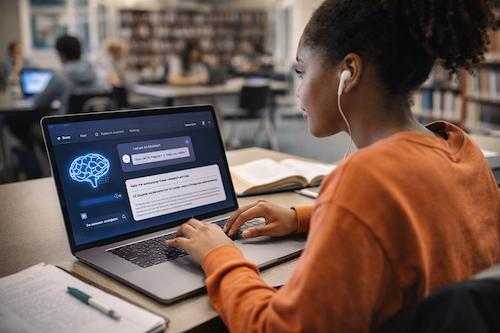
    Can AI Learning Tools Reduce Cognitive Overload? Lessons for UPenn and the Future of Higher Education

    How artificial intelligence could make university learning more manageable, protect student well-being, and transform education without replacing independent thinking. Introduction: When Learning Becomes Too Much đź§  University life is an exciting period of discovery, intellectual growth, and personal development. However, it can also bring demanding assignments, difficult examinations, extensive reading, research deadlines, and pressure to achieve academic success. When students must process too much information at once, they may experience cognitive overload—a situation in which the demands placed on their mental processing capacity exceed what they can comfortably manage. Artificial intelligence (AI) is increasingly being explored as a way to…
  • Blog - Educaation - General

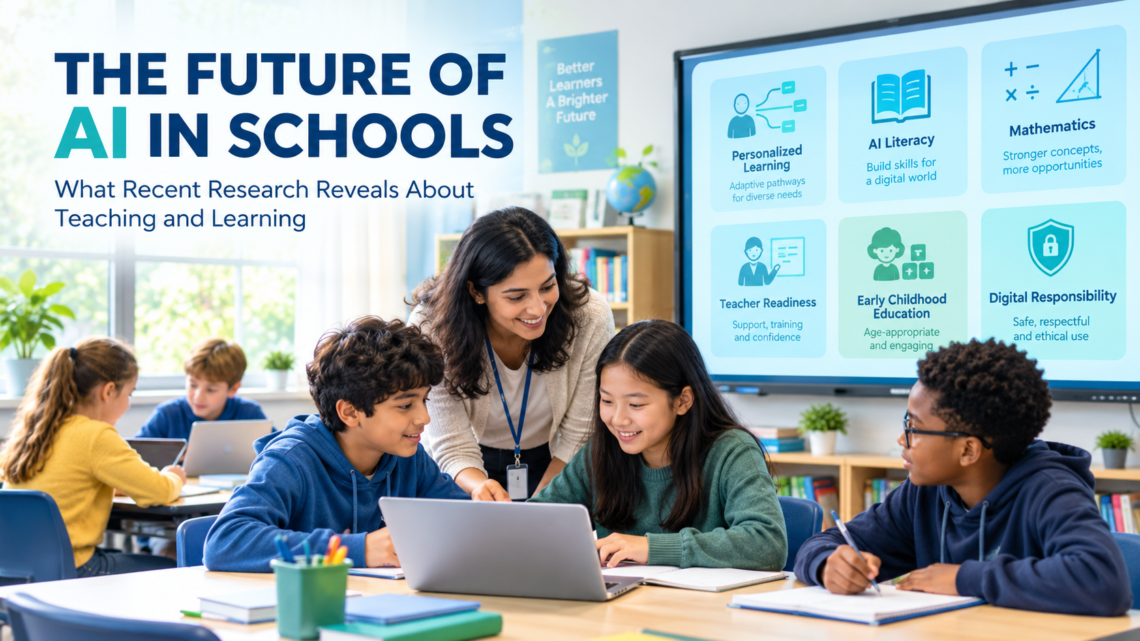
    The Future of AI in Schools: What Recent Research Reveals About Teaching and Learning

    The article explores the review’s reported scope of 1,154 research publications, the major themes shaping AI in school education, and what these developments could mean for students, teachers, parents, and education policymakers. It also distinguishes emerging opportunities from questions that still require stronger evidence. Introduction: How Artificial Intelligence Is Changing School Education Artificial intelligence (AI) is becoming an important part of conversations about the future of education. From personalized learning platforms and intelligent tutoring systems to conversational chatbots and automated feedback tools, AI technologies are creating new possibilities for how students learn and teachers teach. These developments raise an important…

  • Educaation - General

    đź’» Online Learning vs. Traditional Classrooms: How Education Is Changing

    Education is no longer limited to a physical classroom, a teacher standing in front of a board, and students following the same timetable every day. The growth of the internet, smartphones, digital platforms, artificial intelligence, and interactive learning tools has created new ways to study. At the same time, traditional classrooms continue to provide something digital education cannot completely reproduce: direct human interaction, immediate social connection, and a structured learning environment. The debate is therefore not simply about whether online learning or traditional classrooms are better. The more useful question is how both approaches are changing education and how they…

  • Blog - Educaation

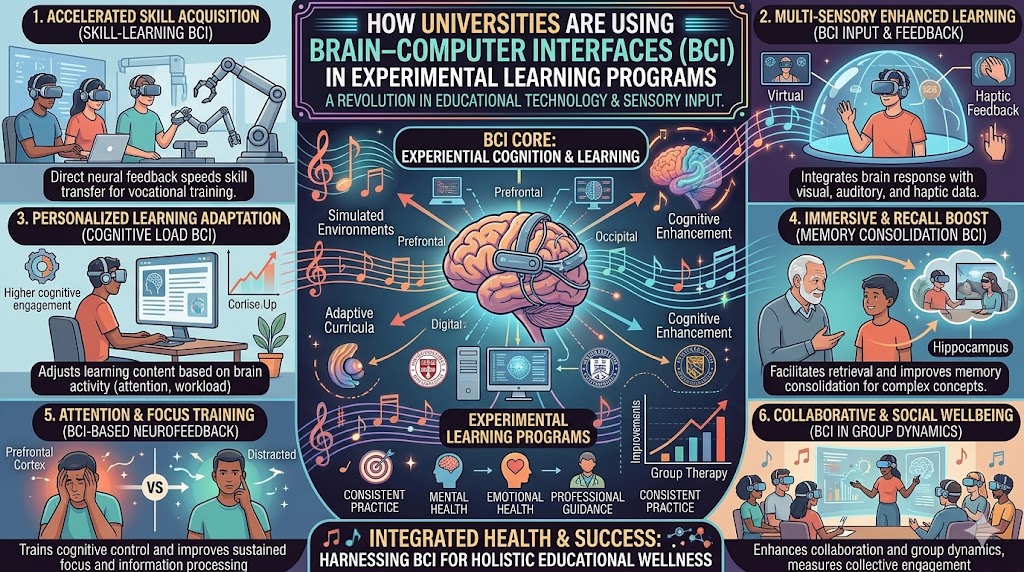
    How Universities Are Using Brain–Computer Interfaces in Experimental Learning Programs

    Universities are using Brain–Computer Interfaces in experimental learning programs to study cognition, build neuroadaptive classrooms, enable brain-controlled VR and robotics, and personalize education through real-time brain feedback. Brain–Computer Interfaces (BCIs) are no longer confined to science fiction or medical rehabilitation labs. Today, leading universities around the world are integrating BCI systems into experimental learning programs, reshaping how students interact with technology, understand neuroscience, and even learn itself. These systems create a direct communication pathway between the brain and external devices, allowing thought-based control, neurofeedback-driven learning, and real-time cognitive monitoring. As research expands across neuroengineering and AI, BCIs are becoming powerful…