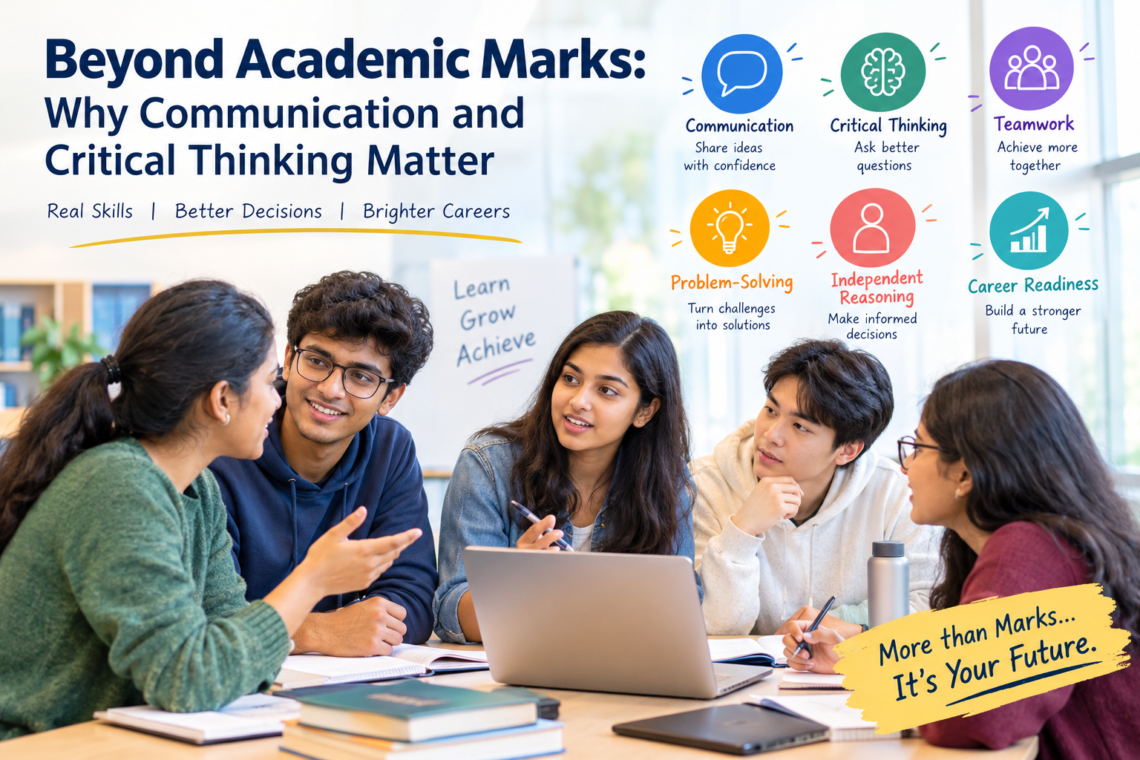
Category: Life Skills · Career Readiness Academic marks have long been considered an important measure of student achievement. Good grades can demonstrate subject knowledge, discipline, and the ability to prepare for examinations. However, professional success requires more than memorising information and scoring well on tests. Employers also value people who can communicate clearly, work with others, solve unfamiliar problems, and make thoughtful decisions. In a world shaped by technology, artificial intelligence, global collaboration, and rapidly changing job requirements, students need to develop practical skills alongside academic knowledge. Communication and critical thinking help bridge the gap between classroom learning and real-world…
-
-
Universities are meant to be places where ideas are challenged, knowledge is expanded, and students from different backgrounds can learn together. They are also environments in which young people develop their confidence, relationships, and sense of belonging. Yet discrimination can undermine these goals, leaving students feeling excluded, isolated, or unable to participate fully in academic life. India’s debate over the University Grants Commission’s (UGC) equity regulations has brought these challenges into sharp focus. The regulations introduced in January 2026 were intended to strengthen mechanisms for preventing discrimination in higher education. However, the Supreme Court stayed their implementation on January 29,…
-
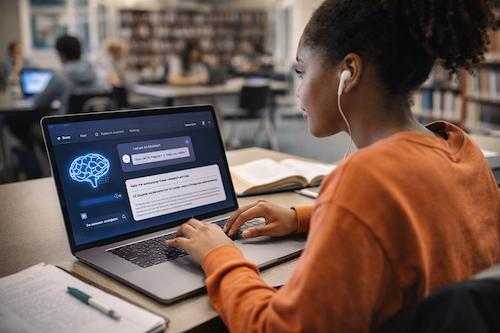
How artificial intelligence could make university learning more manageable, protect student well-being, and transform education without replacing independent thinking. Introduction: When Learning Becomes Too Much 🧠 University life is an exciting period of discovery, intellectual growth, and personal development. However, it can also bring demanding assignments, difficult examinations, extensive reading, research deadlines, and pressure to achieve academic success. When students must process too much information at once, they may experience cognitive overload—a situation in which the demands placed on their mental processing capacity exceed what they can comfortably manage. Artificial intelligence (AI) is increasingly being explored as a way to…
-
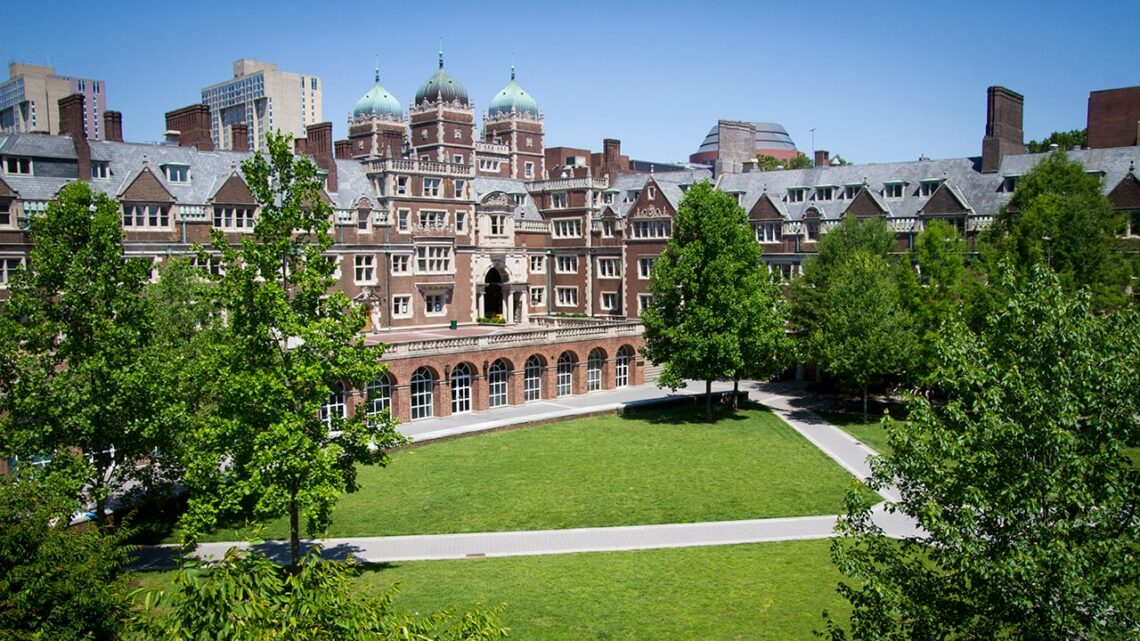
The transition from school to university represents one of the most exciting stages of a student’s educational journey. It is a time when curiosity can become a deeper academic interest, classroom knowledge can connect with real-world challenges, and students can begin developing the skills they will carry into their professional lives. The University of Pennsylvania, commonly known as Penn or UPenn, offers an environment where academic study, research, innovation, entrepreneurship, community engagement, and student life intersect. Located in Philadelphia, Pennsylvania, Penn is part of the historic fabric of one of America’s major cities. Its urban setting gives students opportunities to…
-
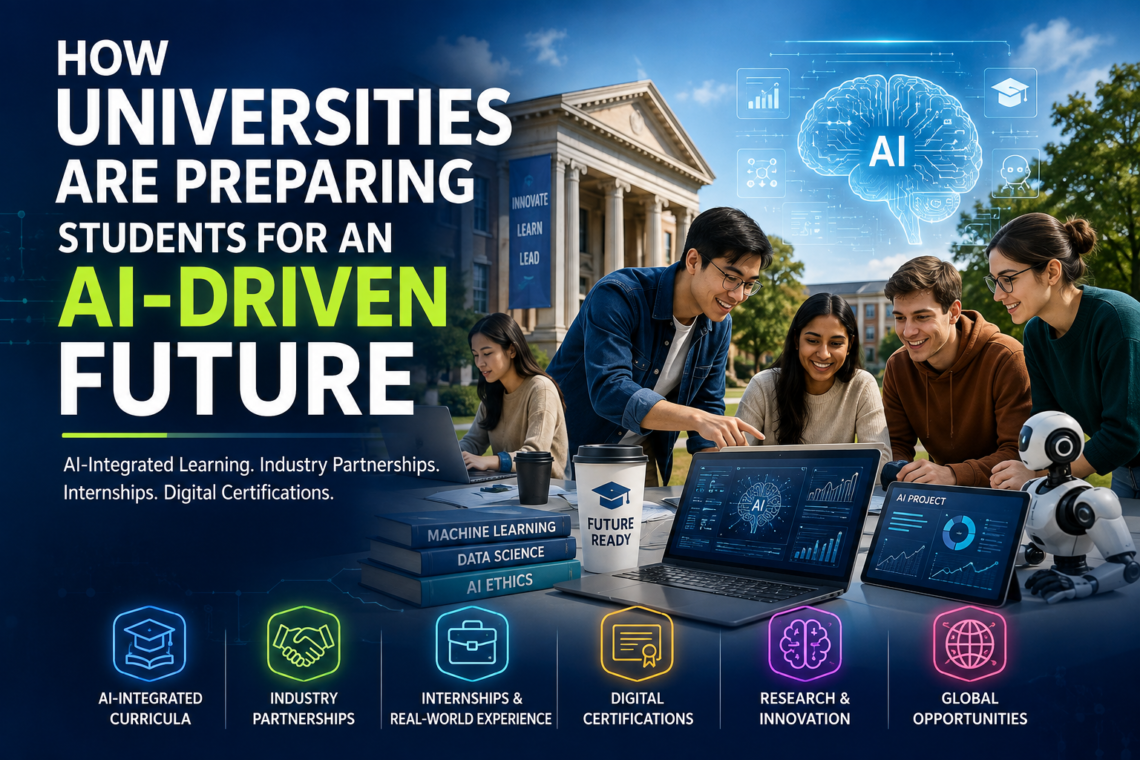
Artificial Intelligence (AI) is no longer a futuristic concept—it’s becoming a core part of how businesses operate, governments deliver services, and individuals interact with technology. As AI reshapes industries ranging from healthcare and finance to education and manufacturing, universities around the world are adapting their teaching methods to prepare students for an AI-driven workforce. Modern universities are no longer focused solely on traditional degrees. Instead, they are integrating AI into academic programs, collaborating with leading technology companies, offering hands-on internships, and encouraging students to earn digital certifications that improve employability. These changes ensure graduates possess both technical expertise and essential…
-
🌟 Introduction The University of Pennsylvania (UPenn) is one of the world’s most prestigious Ivy League universities, recognized for its exceptional academics, groundbreaking research, entrepreneurial culture, and commitment to interdisciplinary education. Founded in 1740 by Benjamin Franklin, UPenn has become a global leader in higher education, producing influential leaders in business, medicine, engineering, law, science, politics, and the arts. 🌍🎓 Located in the heart of Philadelphia, Pennsylvania, UPenn offers students access to a vibrant urban campus, renowned faculty, world-class research facilities, and countless opportunities for innovation and professional growth. Its collaborative learning environment encourages students to explore multiple disciplines while…
-
The Evolving Role of UPenn in Modern Higher Education The landscape of higher education is changing rapidly as universities adapt to technological innovation, digital learning systems, and global academic collaboration. Among institutions recognized for academic leadership and research excellence, upenn has become associated with the evolution of modern education in the digital era. Universities today are no longer limited to traditional classroom teaching; they are transforming into global centers of innovation, interdisciplinary research, and advanced technological development. Modern students expect flexible learning experiences, advanced digital resources, and career-focused education that prepares them for a rapidly changing workforce. UPenn-related innovation reflects…
-
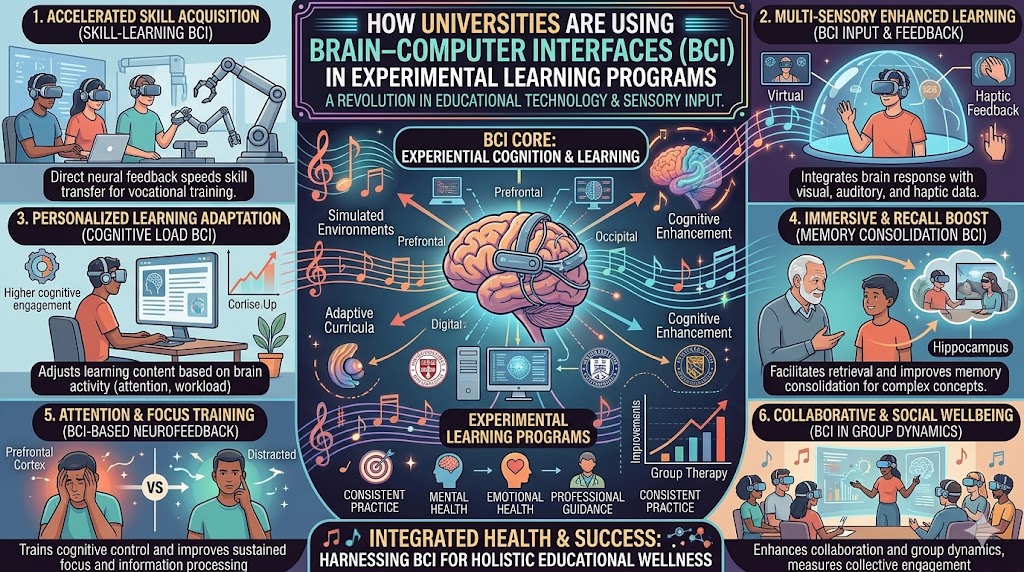
Universities are using Brain–Computer Interfaces in experimental learning programs to study cognition, build neuroadaptive classrooms, enable brain-controlled VR and robotics, and personalize education through real-time brain feedback. Brain–Computer Interfaces (BCIs) are no longer confined to science fiction or medical rehabilitation labs. Today, leading universities around the world are integrating BCI systems into experimental learning programs, reshaping how students interact with technology, understand neuroscience, and even learn itself. These systems create a direct communication pathway between the brain and external devices, allowing thought-based control, neurofeedback-driven learning, and real-time cognitive monitoring. As research expands across neuroengineering and AI, BCIs are becoming powerful…
-
Studying abroad is more than an academic experience—it is a powerful career investment. In today’s global economy, employers value graduates who have international exposure, cross-cultural understanding, and adaptable skills. An international degree can significantly expand your job opportunities, both in your home country and across the world. 🌍 1. Global Recognition of Qualifications One of the biggest advantages of earning an international degree is global recognition. Degrees from well-known universities in countries like the USA, UK, Canada, Australia, Germany, and others are often respected by employers worldwide. 6 Many multinational companies actively prefer candidates with overseas education because it signals:…
-
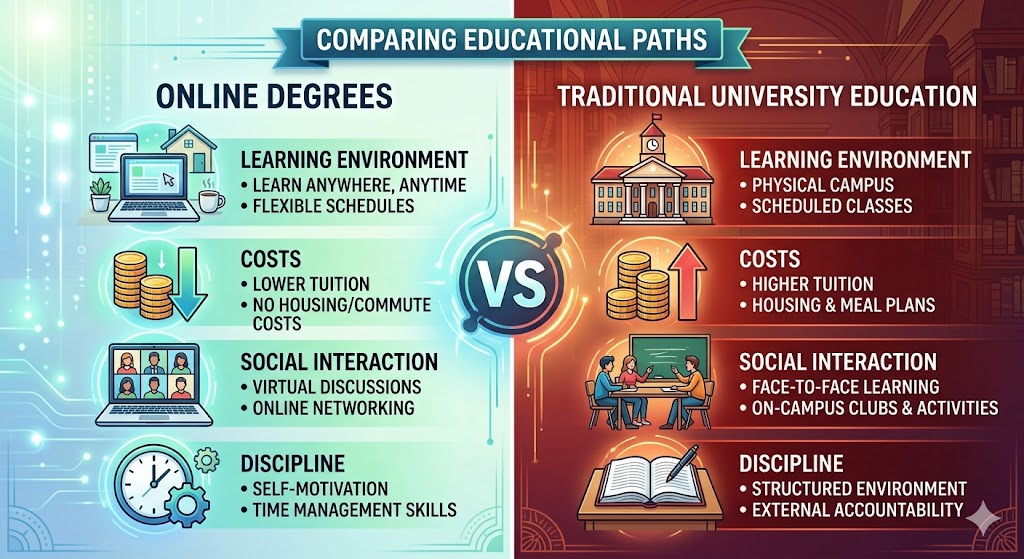
🎓 Online Degrees vs Traditional University Education 🧠 1. Learning Style & Experience Online degrees are delivered through digital platforms with recorded lectures, live classes, and online discussions, while traditional education happens in physical classrooms with face-to-face teaching and campus interaction.Online learning is more self-directed, while traditional learning is more structured and instructor-led. ⏰ 2. Flexibility Online Degrees Traditional Education 👉 Online education is generally far more flexible. 💰 3. Cost & Affordability However, top traditional universities may still offer better financial aid and scholarships. 🤝 4. Networking & Social Life Traditional University Online Degree 👉 Traditional education has a…